
Lately, when I submit an essay for publication, and it keeps getting rejected, I wonder if I am washed up. I mean, I am Gen X. I’m getting up there. How long before I start a slow spiral into becoming irrelevant? (These are my bad thoughts). When the rejections start piling up, I start to look for a reason why. I revise my work and try to tighten up the prose, or I might cut large chunks, so I can submit to magazines with a lower word count. I might ask a friend for feedback, and say, “What needs fixing?” Then I keep revising and sending the thing out again and again.

I write family stories, memoirs. When I first started sending out my writing, it felt like my themes and topics weren’t what editors were looking for because my stories were about people on the margins of American society, single mothers, matriarchs, poverty, and dysfunction.
Now that I am older, when I receive rejections, I wonder if my writing is too old school–chronological memoir? Am I a CNF trope? I try not to dwell on the what-ifs surrounding why I am rejected, even though the experience of being rejected can feel surreal, like I am being addressed by a bot:
We appreciate the efforts that have gone into this piece. Unfortunately, given the volume of submissions we receive, even quality work often has to be declined. Please be assured that your submission was read thoroughly and given careful consideration by our editorial staff.
Down below is an example of a nicer rejection. It puts my essay in a class of submissions that COULD be considered quality. The rejection form does not explicitly link my work to the category of quality. But I can squint my eyes and feel hopeful if I have the energy. (I can also move the rejection to my publishing folder and never open it again).
Our reasons for not accepting particular submissions are
varied and often have more to do with the shape of our recent acquisitions
and upcoming issues than with the quality of writing we receive.
I try to be objective when I am told no. I remind myself, Yes, my writing probably doesn’t fit into any one journal issue because my creative nonfiction is focused on a very specific situation, my family life.

Last week, an essay I’ve been sending out for several years, one I thought would never get picked up (Negative writer thought, a common occurrence during what is known as writer’s block), I received an acceptance. Exactly one day before this acceptance, a scholarly article that’s been going through peer review for the last few months was also finally accepted. Both editors said my writing was strong.
After more than twenty years of writing and submitting my work to magazines and journals, word that my work has been accepted affects me differently. I no longer feel euphoria. I feel relief. An acceptance is a requirement of my job. It means I am closer to tenure. An acceptance feels reassuring. Reassurance feels good.
Having my work accepted for publication no longer triggers a surge of dopamine in my brain. That’s okay. The dopamine-laced response was always followed by a slow slide back into writing oblivion, the place where I kept asking myself, why do I keep choosing to write?
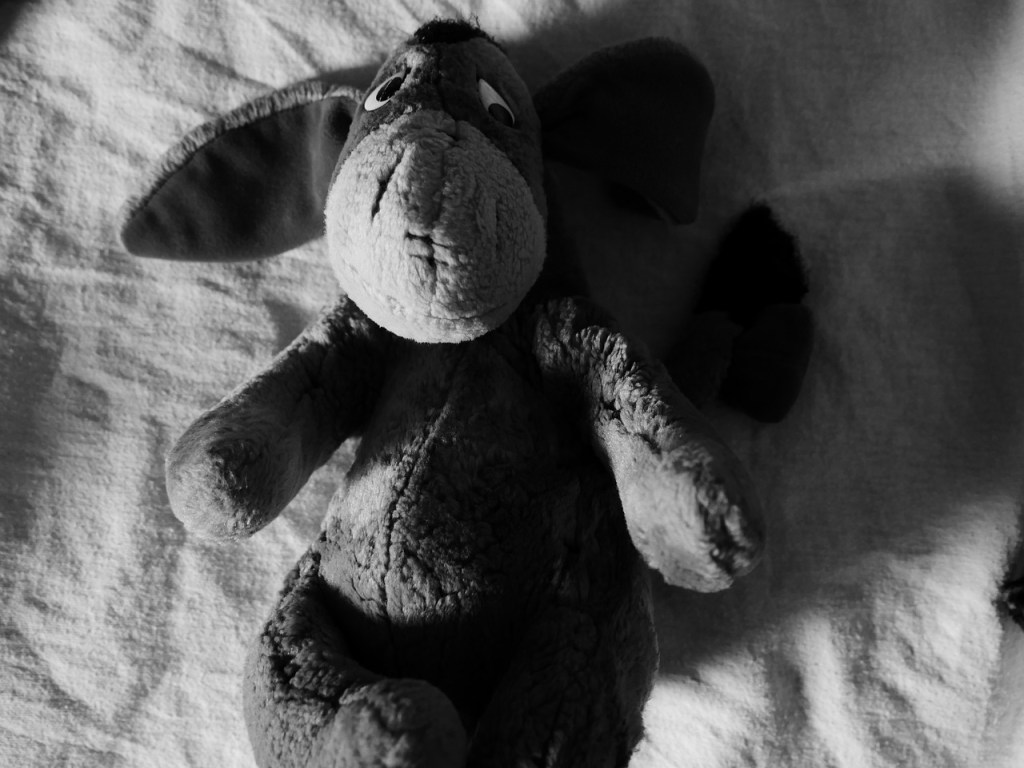
This whole post focuses only on the act of publishing. And it’s a happy post, even if the tone sounds a little like Eeyore entered the building. That’s because I need to keep a level head as a writer.
Actual writing is a different kind of agony. I can talk about that some other time 😉


 Jennifer Jordan
Leave a reply to Jennifer Jordan Cancel reply